

UPDATES
04/03/2026
Digitalisation on the ground: Lessons from CELINE’s demo sites

(This article was originally published by Enlit on 9 February 2026)
What does digitalisation really mean when we turn on the lights? Too often, energy innovation is framed in abstract terms. The CELINE project changes that by testing advanced tools in real energy communities, proving that data and participation can reshape how Europe produces, shares and consumes energy.
Rather than focusing only on distant targets, CELINE highlights people: neighbours across the Valencia region who now see where their electricity goes, families in Alpe Cimbra who can adapt to peaks in demand, and residents in Lappeenranta learning to act as one community. This is digitalisation turned into empowerment.
Each demo site starts from a different reality in its community makeup, infrastructure and regulatory context. This diversity is CELINE’s strength, allowing its digital solutions to be tested under varied conditions while uncovering what truly matters for success: good data, interoperability and strong community engagement.
CELINE methodology
At the heart of CELINE is a digital toolbox, a modular platform with three main functions:
Data management: Helping communities monitor and optimise their consumption.
Smart energy services: Allowing households and businesses to adapt to fluctuations and support the wider grid.
Community governance: Providing shared digital spaces for collective decision making.
Each demo site adapts this toolbox to local needs by bringing citizens, municipalities and experts together to test and refine solutions. This co-creation process ensures that digitalisation is not imposed but built with communities, keeping tools relevant and human-centred.
Spain: Empowering energy communities through digital management tools
The Spanish demo site in Valencia consists of eight energy communities with 172 end users, including households, businesses and public service buildings. Supported by 557kWp of solar PV and 291.2kWh of battery storage, and led by SAPIENS with technical support of Beedata, Ecoserveis and CIMNE, the project is building a digital ecosystem that empowers members and managers alike.
The demo focuses on leveraging the data generated by energy communities through advanced digital tools that improve current management and empower stakeholders to optimise distributed energy resources. Together, they help communities move from awareness to action turning digitalisation into tangible local impact.
Three communities and more than 50 users are already active, with solar and battery data feeding into early trials. Next steps include expanding to the whole pilot, integrating electric vehicle charging and cross-sectoral data integration to deliver added value beyond the energy domain.
Enthusiasm among local communities has been high, showing how transparency and participation can build trust and engagement.
Scaling remains complex, as installing monitoring devices in homes is labour intensive and prone to connectivity issues. Regulatory changes, such as updates to Datadis, could streamline the process. Despite these hurdles, the Spanish demo shows how digital ecosystems and strong community engagement can drive urban energy transitions, offering a scalable model for other European cities.
Finland: Optimising a district heating virtual power plant
The Finnish demo site in Lappeenranta explores how digital solutions can empower communities and households to take control of their energy use and optimise their use of a district heating virtual power plant.
The project centres on nine distinct building blocks with a total of 267 apartments, including vulnerable groups, with varying apartment sizes and layouts.
Led by the City of Lappeenranta, LUT University and the Austrian Institute of Technology (AIT), the demo aims to enhance energy community capabilities and reduce environmental impact through giving residents actionable insights through interactive data tools and demand response options.
The demo site currently monitors district heating response, processing the data to improve usability, and guides future optimisation. Although still in development, this functionality is quickly becoming a cornerstone of smarter district heating management.
While differences in building structures and readiness levels have required adjustments and engagement has been cautious, the Finnish demo shows the promise of digital tools to connect communities, build awareness and pave the way for lasting energy savings and innovation.
Italy: Data driven energy community in the Alps
The Italian demo site, Green Land, is a renewable energy community established in April 2023 in Alpe Cimbra. Covering three municipalities with around 10,000 inhabitants, it brings together economic, social and cultural actors to promote energy sustainability in a mountain community where tourism is the main economic activity.
The partners of the demo site, Green Land, FBK and Spindox Lab, have focused on implementing a range of data driven services that integrate energy, grid, transport and tourism data. The project aims to enhance socio-economic wellbeing, empower local businesses, engage citizens and support zero emission tourism. It also explores interoperability and data analytics to create a seamless, replicable ecosystem for energy management.
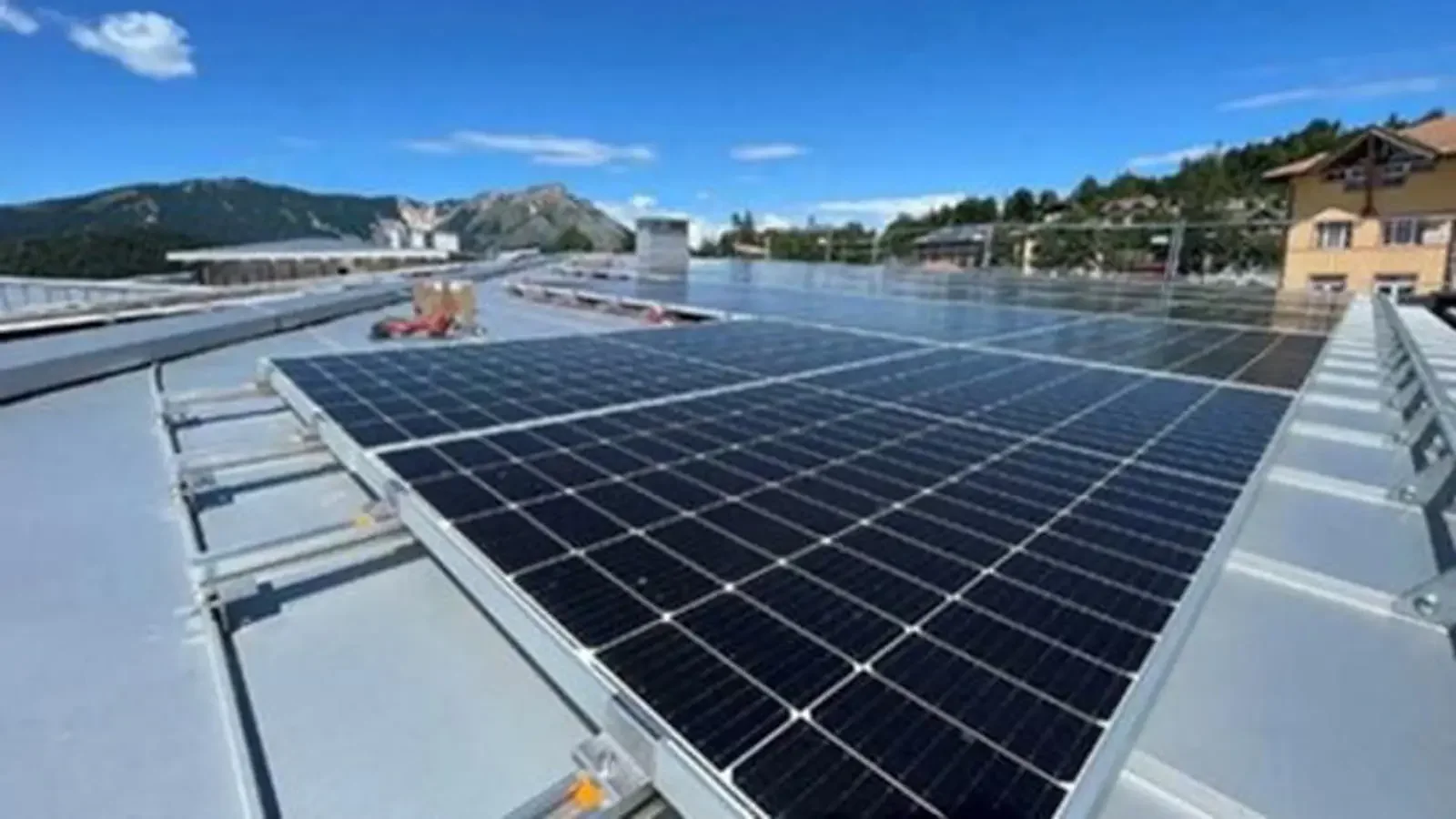
Early monitoring has revealed energy waste in public buildings and ski resorts, enabling targeted interventions to improve efficiency and optimise self-consumption. Real-time data from PV installations and sensors help residents and stakeholders understand energy flows and adjust behaviour. While it is still early to see major behavioural changes, the demo highlights how integrated data and community engagement can foster energy awareness and sustainability, offering a model that could be applied beyond the region.

Lessons from the demo sites
The CELINE demo sites highlight the diversity of approaches required to build energy communities across Europe. Finland shows the importance of adaptability and engagement, Italy demonstrates the value of data driven efficiency and Spain illustrates how integrated ecosystems can empower urban energy communities through data management.
Together, these sites reveal both challenges and opportunities in creating energy communities that are replicable, resilient and responsive to citizens’ needs. By combining digital tools, supportive policies and strong local partnerships, CELINE is laying the foundations for Europe’s next generation of energy communities.
About the author
Nanna Moe is the Senior Communications and Events Manager with smartEN, a partner of the CELINE project. She has coordinated the preparation of this article, with revisions by Marion L’Épine from smartEn, Anna Pruna Galdón and Joan Estalella Mercadé from Ecoserveis, Josep Mayos Cantos for CIMNE, Sampo Yrjölä from City of Lappeenranta and Matteo Varesco from FBK.
TAGS: